Thailand Shopping Tour Packages from India: Planning Guide
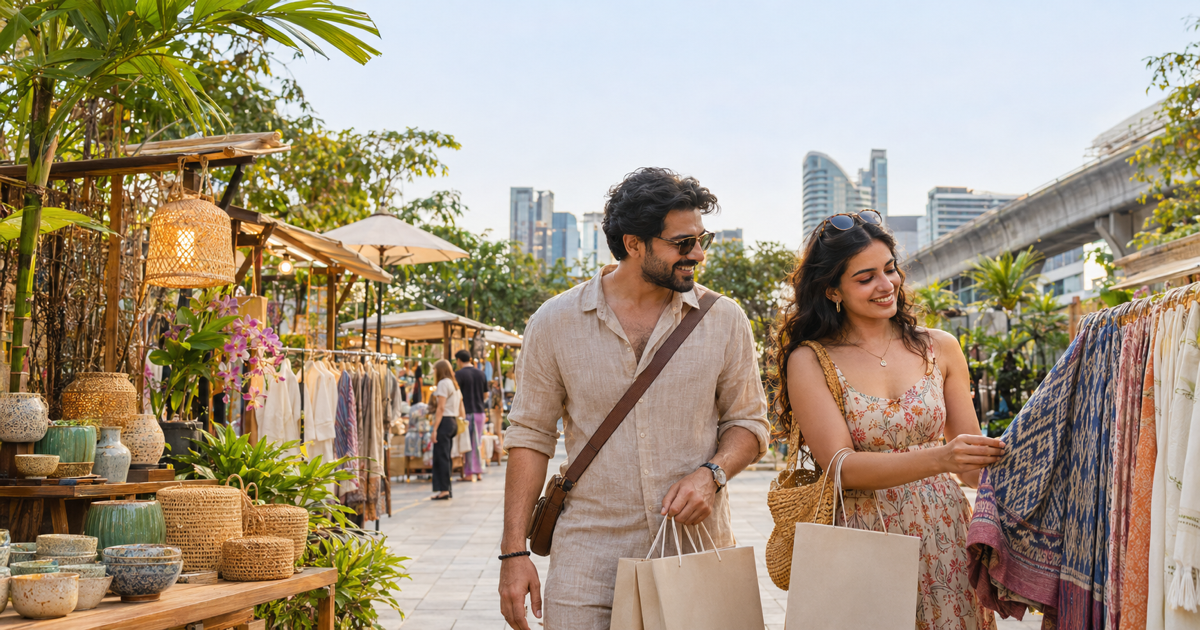
A Thailand shopping package should do more than add a mall stop to a standard Bangkok itinerary. Travellers looking for Thai design, wholesale fashion, handicrafts, beauty products, electronics or gifts need different locations, transport, time and buying checks. This guide helps visitors from India build a shopping-focused Thailand holiday without assuming every bargain is genuine, every market suits bulk buying or every purchase can travel home without baggage and customs consequences.
Define the shopping goal before choosing the package
Start with what the traveller actually wants to buy and whether the trip is for personal use, gifts or business sourcing. A relaxed search for local crafts is not the same product as a wholesale fashion day, and neither should be sold as an electronics buying tour.
List priority categories, preferred quality, approximate quantity and a comfortable spending ceiling. The package designer can then choose suitable districts and avoid wasting holiday time on places that merely sound famous.
- Thai textiles and independent design
- Handicrafts and homeware
- Fashion and accessories
- Beauty and wellness products
- Packaged food and gifts
- Electronics from authorised sellers
- Wholesale sourcing
- Luxury retail with documented authenticity
Match each buying style to the right area
Central Bangkok works well for air-conditioned malls, established retailers and easier public transport. Market districts can offer greater variety and local atmosphere but may involve heat, crowds, narrow aisles, cash payments and changing stall inventories.
Wholesale areas deserve a separate block because comparing quality, minimum quantities and collection arrangements takes time. Craft shopping can be stronger when paired with a community, workshop or regional destination rather than compressed into a generic souvenir stop.
- Siam and central Bangkok for broad mall choice
- Riverside complexes for shopping combined with sightseeing
- Pratunam for fashion comparison
- Chatuchak when its operating schedule fits
- Old Town and design districts for independent products
- Chiang Mai for northern crafts and textiles
- Community workshops for maker context
Use a hotel that reduces carrying and backtracking
A low room rate can become inconvenient if every shopping day requires long cross-city travel with bags. Choose a hotel close to the primary district, with straightforward vehicle access and enough room to inspect and repack purchases.
Ask about luggage storage, delivery acceptance, lift access, room layout and whether the property can receive a parcel in the registered guest's name. Do not assume reception will accept valuable or cash-on-delivery items.
- Walking or short-transfer distance to priority shops
- Reliable vehicle pickup point
- Lift and step-free room access where needed
- In-room space for sorting purchases
- Documented parcel policy
- Safe storage for valuables
- Convenient food and rest options
- Easy departure transfer with luggage
Choose transport for people, bags and timing
Rail can be efficient when travellers carry only a day bag. A private vehicle becomes more useful for bulky purchases, mixed-age groups, several districts or a planned hotel drop between stops. The quotation should identify vehicle size, passenger count, luggage space, waiting time, parking and overtime.
A driver is not automatically a shopping guide, interpreter, product expert or porter. Define each role before travel and agree on a secure meeting point because vehicles may not be able to wait beside a crowded market entrance.
- Passenger and bag capacity
- Named pickup and return points
- Driver waiting arrangement
- Parking and toll treatment
- Extra-stop and overtime terms
- Porter assistance if required
- Separate hotel bag drop
- Emergency contact shared with every adult
Plan baggage before the first purchase
Check the baggage allowance for every flight sector, including any domestic connection, before deciding how much to buy. Weight allowance does not guarantee that an oversized, fragile, liquid or restricted item will be accepted in the preferred bag.
Carry a small luggage scale, protective packing material and photographs of fragile items before they are wrapped. Keep receipts and do not place valuables, medicines, power banks or travel documents in checked baggage contrary to carrier rules.
- Checked and cabin allowance by sector
- Airline size limits
- Fragile-item packing plan
- Liquid and battery restrictions
- Extra-baggage purchase terms
- Space in transfer vehicles
- Receipts stored separately
- Final-night weighing and repacking time
Check quality, authenticity and returns before paying
Compare workmanship, materials, model numbers and seller information instead of judging only by price. For branded or high-value products, use an authorised or clearly accountable retailer and request an itemised receipt, warranty terms and serial information where applicable.
Market purchases may have limited exchange options. Inspect colour, size, seams, zips, closures, chips and included accessories before leaving. Avoid counterfeit goods and walk away from pressure tactics, claims that cannot be documented or offers that require handing over a passport.
- Seller identity and contact
- Itemised receipt
- Material or model details
- Authenticity evidence where relevant
- Warranty territory
- Return deadline and conditions
- Product checked before wrapping
- No passport retained as security
Treat tax refunds and Indian customs as separate checks
A retailer's participation in a visitor tax-refund process does not decide whether an item can enter India duty-free. Eligibility, documents, minimum purchases, inspection steps and airport procedures can change, so verify the current Thai official process before buying rather than relying on an old blog or verbal promise.
Indian customs treatment depends on the traveller, goods, quantity and current rules. Personal baggage allowances should not be treated as permission for commercial quantities or prohibited and restricted items. When in doubt, declare the goods and seek current guidance from the responsible authorities.
- Ask whether the specific retailer participates
- Confirm the required original documents
- Keep goods available if inspection is required
- Allow extra airport time
- Check Indian baggage rules before departure
- Separate personal use from commercial sourcing
- Do not conceal or misdescribe purchases
- Declare when required
Protect meals, rest and mixed-interest travellers
A full shopping day is physically demanding. Add water, seated breaks and a confirmed meal rather than expecting everyone to browse continuously. Travellers with vegetarian, vegan, Jain, halal or allergy needs should identify a suitable restaurant before entering a large market.
Couples and families do not need to follow the same route. One person can shop while another chooses a spa, museum, café, river activity or child-friendly attraction, provided the reunion time and transport are clear.
- Meal matched to dietary needs
- Scheduled seated breaks
- Accessible toilets and lifts
- Shorter route for limited stamina
- Child supervision plan
- Parallel non-shopping activity
- Shared meeting point
- Flexible early return to the hotel
Use a balanced five-day shopping itinerary
A focused Bangkok stay can combine shopping with enough cultural context to remain a holiday. Keep the first day light after the flight, separate wholesale comparison from premium retail and protect the final evening for packing.
The sequence below is a planning model, not a fixed package. Adjust it for market operating days, traveller interests, mobility, weather and the confirmed departure time.
- Day 1: arrival, hotel check-in and nearby orientation
- Day 2: central Bangkok retail and Thai design
- Day 3: scheduled market or wholesale district
- Day 4: cultural sightseeing plus independent craft shopping
- Day 5: final collection, packing buffer and airport transfer
Compare packages with a written inclusion checklist
A transparent shopping package identifies the hotel, room, transfer type, vehicle capacity, service hours, guide role, planned districts and non-shopping activities. It should not promise guaranteed discounts, resale profits, tax refunds or product availability.
Compare quotations on the same assumptions and keep shopping money separate from the tour price. Current prices and store inventories belong to sellers, while the operator is responsible only for the travel services stated in the booking.
- Named hotel and room category
- Airport and shopping transfers
- Vehicle and baggage capacity
- Guide or interpreter role
- Districts and service hours
- Meals and dietary arrangements
- Non-shopper alternatives
- Cancellation and overtime terms
- No guaranteed bargains or profits
- Packing and departure buffer
Build a Thailand shopping holiday around your real priorities
Share your travel dates, preferred products, group size, baggage plan and sightseeing interests for a shopping-focused Thailand package with practical transfers and time to pack.