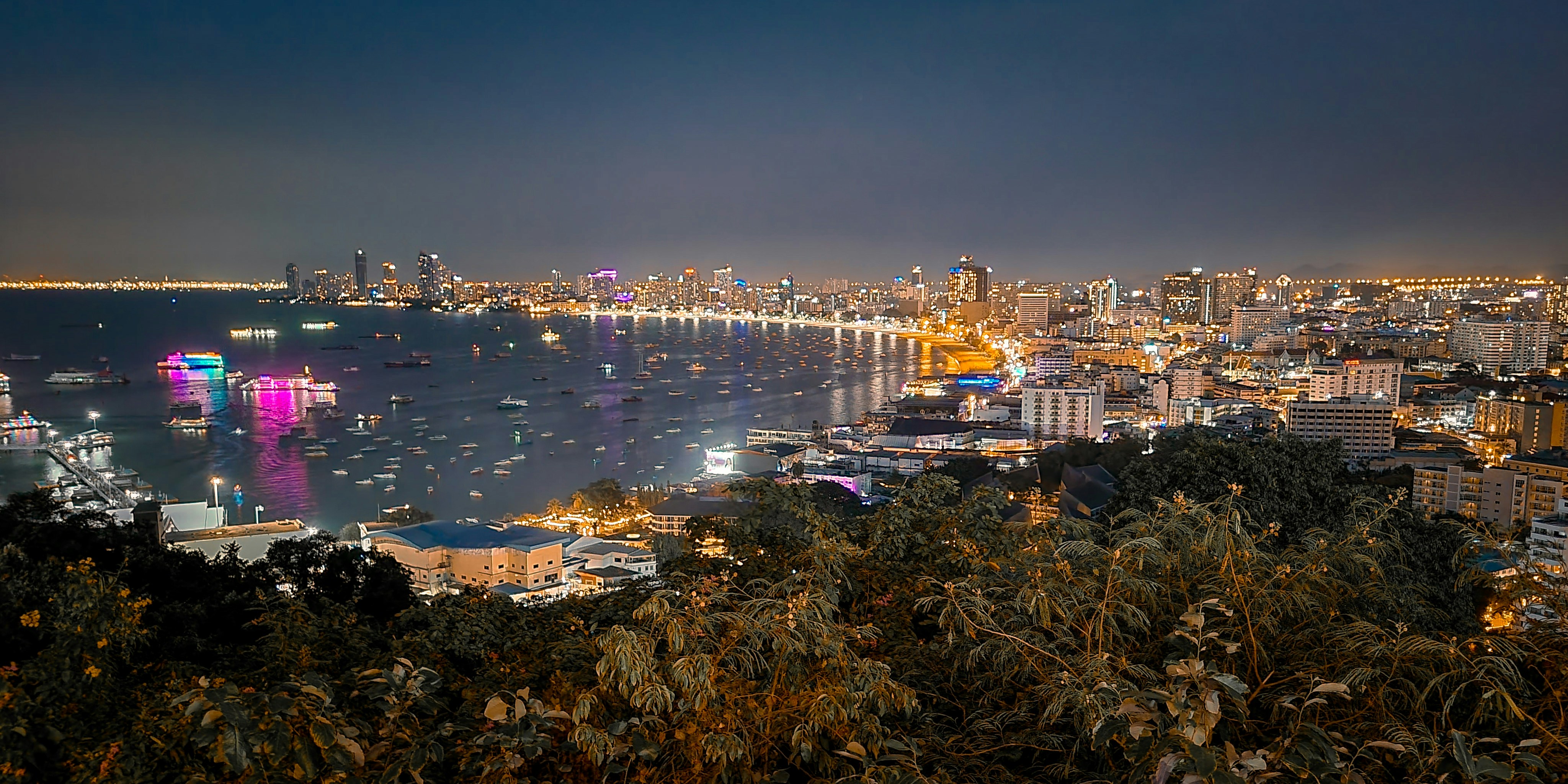
Thailand Muay Thai Training Tour Packages from India
A Muay Thai holiday can be a single beginner class inside a wider Thailand trip, a week of structured fitness training or a longer camp for an experienced practitioner. Those formats require very different coaching, recovery, accommodation, insurance and sightseeing plans. This guide helps travellers from India compare packages by what happens in the gym and around it, so a familiar cultural experience does not become an exhausting schedule or a vague bundle built around an impressive gym photograph.
Choose the purpose before choosing the destination
Decide whether Muay Thai is the holiday's main purpose or one meaningful experience within a city, beach or cultural route. A first-timer who wants fitness and technique may need three carefully spaced sessions; a regular martial artist may want daily coaching, conditioning and recovery support.
Write down the traveller's current activity level, previous striking experience, injuries, goals and preferred training intensity. The operator can then match the request to a suitable gym instead of selling the same camp schedule to everyone.
- One introductory private lesson
- Two or three beginner group sessions
- Five to seven-day fitness camp
- Technique-focused private coaching
- Experienced practitioner programme
- Parent-and-teen instruction
- Non-training companion itinerary
Understand what an authentic session includes
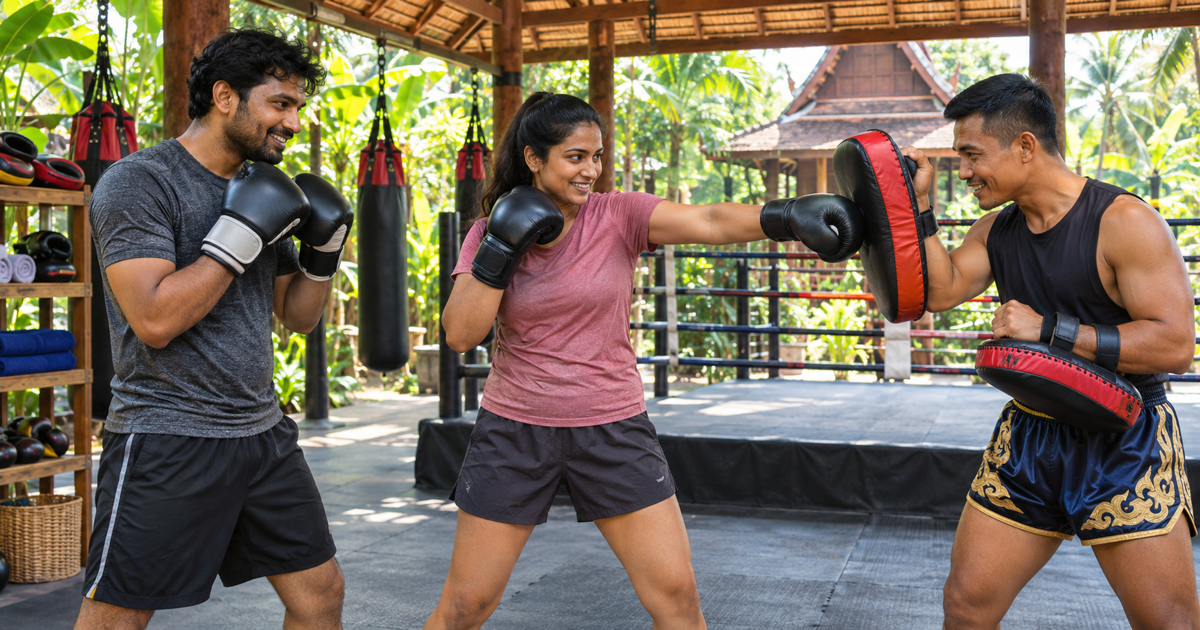
The Tourism Authority of Thailand describes tourist-friendly gym sessions as hands-on introductions that can include punches, kicks, knees and elbows, along with the discipline and traditions surrounding the sport. A responsible beginner session teaches stance, guard, footwork and controlled pad work before adding intensity.
Cultural elements such as Wai Kru should be explained respectfully rather than reduced to a costume photo. Ask whether the coach introduces gym etiquette, safe contact levels and the meaning of any ceremony included in the programme.
- Warm-up and mobility
- Stance, guard and movement
- Basic technique instruction
- Controlled pad or bag work
- Conditioning appropriate to the participant
- Cool-down
- Gym etiquette and cultural context
- Clear opt-out from sparring
Compare gyms with a written checklist
A famous name does not guarantee the right learning environment. Ask how the gym separates beginners from active fighters, how many participants share one coach, whether private tuition is available and what language the coaching team can use effectively.
Look for a clear booking contact, physical address, current timetable, participant requirements and cancellation terms. The package provider should confirm these details with the gym rather than relying on an old aggregator listing.
- Beginner and experienced groups separated where appropriate
- Coach-to-student ratio
- Private or group format
- Session duration
- Training language
- Protective equipment policy
- Changing and shower facilities
- Current timetable
- First-aid process
- Written cancellation terms
Do not confuse training with sparring or fighting
Most visitors can learn technique and complete a satisfying pad session without sparring. Sparring introduces contact, faster decision-making and a higher injury risk; entering a bout is a separate decision that should never appear as an automatic package upgrade.
A beginner quote should say whether contact with another participant is excluded. Experienced travellers requesting sparring must discuss level, protective equipment, supervision, rules and insurance with the gym before arrival. No operator should promise a fight placement based only on a booking form.
- Pad work is not sparring
- Technical partner drills should have a stated contact level
- Sparring requires informed agreement
- A bout requires separate assessment and preparation
- The traveller may stop a drill at any time
- Fatigue is a reason to reduce intensity
Build a realistic weekly training load
Two daily sessions may suit a conditioned athlete but can overwhelm a visitor arriving after an overnight flight. Heat, unfamiliar movements, jet lag, hydration and sightseeing all add load. Start below the maximum offered by the camp and increase only when recovery is good.
A seven-night beginner holiday can use an arrival day without training, three or four coached sessions, at least one complete rest day and light sightseeing between sessions. Experienced trainees can request a denser plan, but the quotation should still show recovery windows rather than treating every free hour as available for excursions.
- Arrival and sleep recovery
- Introductory assessment
- Alternating training and lighter days
- At least one full rest period
- No strenuous tour immediately after a hard session
- Hydration and meal windows
- Flexible session reduction if pain develops
Choose the training base around the whole trip
Bangkok can combine city sightseeing and stadium visits with a broad choice of gyms. Pattaya can work with a Bangkok extension, while Chiang Mai, Phuket and Koh Samui offer different combinations of training and regional experiences. The best base depends on coaching fit, travel season and the companion's interests.
Do not change cities merely to collect gym names. Repeated flights or long road transfers interrupt sleep and recovery. One primary training base plus one contrasting leisure destination is usually easier to manage than a multi-city camp circuit.
- Bangkok for city access and short training additions
- Pattaya for a combined Bangkok-and-coast route
- Chiang Mai for a northern cultural stay
- Phuket for training plus a beach holiday
- Koh Samui for an island-based camp
- One base for consistent coaching and recovery
Book accommodation for sleep, laundry and distance
The nearest resort is not always the best option, but a long ride before an early class adds friction every day. Map the door-to-door journey at the actual training time and confirm whether the package includes a reliable transfer or expects the traveller to walk in heat or rain.
Ask about quiet rooms, blackout curtains, air conditioning, laundry turnaround, breakfast timing, drinking water and space to dry equipment. A hotel buffet is of limited use if it opens after the morning session or cannot provide a suitable pre-training meal.
- Door-to-door gym distance
- Transport at class times
- Quiet sleeping conditions
- Early or packed breakfast
- Laundry for training clothes
- Equipment drying space
- Refrigerator if needed
- Late check-in after an evening session
- Non-training companion facilities
Confirm equipment and hygiene before arrival
Some gyms lend gloves and shin guards, while others expect participants to bring or buy equipment. The quote should name what is included, whether shared items are cleaned between users and which personal items are required.
Hand wraps sit directly against the skin and should be personal. Bring clean training clothes for each session, sandals for wet areas, a towel and a sealable bag for damp kit. Cover cuts before training and tell the coach about any skin concern rather than sharing equipment while it is unresolved.
- Personal hand wraps
- Gloves of the correct size
- Shin guards only when the programme requires them
- Mouthguard for any approved contact work
- Clean towel
- Fresh clothes for every session
- Water bottle
- Bag for damp clothing
- Gym's cleaning and loan policy
Treat health screening and insurance as package essentials
Disclose relevant injuries, medical conditions and recent inactivity to the gym and insurer. Travellers with a health concern should obtain appropriate medical advice before booking strenuous training. A waiver does not show that an activity is covered by travel insurance.
Read the policy wording for martial arts training, contact sports, sparring, competition, medical treatment and evacuation. Ask the insurer in writing when the wording is unclear. Keep the gym address, operator contact and nearest suitable medical facility available offline.
- Declared training activity
- Contact versus non-contact coverage
- Sparring exclusion or inclusion
- Competition exclusion
- Pre-existing-condition terms
- Outpatient treatment
- Hospital and evacuation limits
- Emergency assistance number
- Incident documentation process
Plan food, hydration and recovery for Indian travellers
Training quality depends on sleep, hydration and meals that the traveller can actually eat. Confirm the timing and ingredients of included food, especially for vegetarian, vegan, Jain, halal or allergy requirements. A generic healthy meal label is not enough for a strict dietary need.
Schedule heavier meals away from intense sessions and keep a simple recovery option available afterward. The gym should be able to explain water access and breaks, while the package provider should avoid stacking alcohol-focused nightlife or late events before morning training.
- Pre-training meal timing
- Post-training food
- Vegetarian or Jain ingredient confirmation
- Allergy and cross-contact questions
- Sealed drinking water
- Electrolytes where personally appropriate
- Sleep window
- Massage only when suitable for the traveller's condition
Create a worthwhile plan for non-training companions
A couple or family package should not require every traveller to attend the gym. Build parallel options near the same base: a market visit, museum, spa, cooking class, beach time or a relaxed hotel morning, depending on the destination and current availability.
Agree on shared meals and one or two anchor experiences so the holiday still feels collective. Avoid putting the trainee on a full-day excursion after morning conditioning while the companion waits for another late class.
- Optional gym attendance
- Independent hotel transfer information
- Companion activity with verified opening hours
- Shared evening plan
- Rest time for the trainee
- Emergency contact shared by both travellers
A balanced nine-night package pattern
A first-time Muay Thai traveller could spend five nights at one training base and four nights at a leisure destination. The pattern below protects the first day after the flight and leaves room to adjust the training load.
This is a planning model rather than a fixed programme. The gym's assessment, travel time, weather, health and the group's interests should determine the final sequence.
- Day 1: arrive, hydrate and sleep
- Day 2: gym orientation and beginner assessment
- Day 3: coached session and light local activity
- Day 4: technique session
- Day 5: full rest or companion day
- Day 6: final training session and optional spectator event
- Day 7: transfer to the leisure base
- Days 8–9: flexible beach, culture or city time
- Day 10: buffered departure
Final quotation checklist
A transparent package identifies the exact gym, session type, timetable, coach format, equipment, accommodation, transfers and recovery plan. It also distinguishes confirmed services from requests such as a particular coach or class level.
Current prices, class schedules, gym rules and travel requirements must be reconfirmed before payment. The authoritative TAT sources establish Muay Thai as a hands-on cultural and sports tourism experience; they do not endorse every commercial gym or guarantee the standards of a particular package.
- Exact gym and branch
- Number and type of sessions
- Beginner or experienced level
- Private or group coaching
- Sparring status
- Included equipment
- Hotel and room category
- Gym transfer
- Meals and dietary handling
- Rest and companion plan
- Insurance responsibility
- Cancellation and substitution terms
Official sources
These primary sources were checked on November 19, 2026. Reconfirm event operations close to travel.
Build a Muay Thai holiday around your real training level
Share your experience, fitness level, preferred destination and companion needs for a Thailand package with suitable coaching, recovery and leisure time.