
Thailand Birdwatching Tour Packages from India: Planning Guide
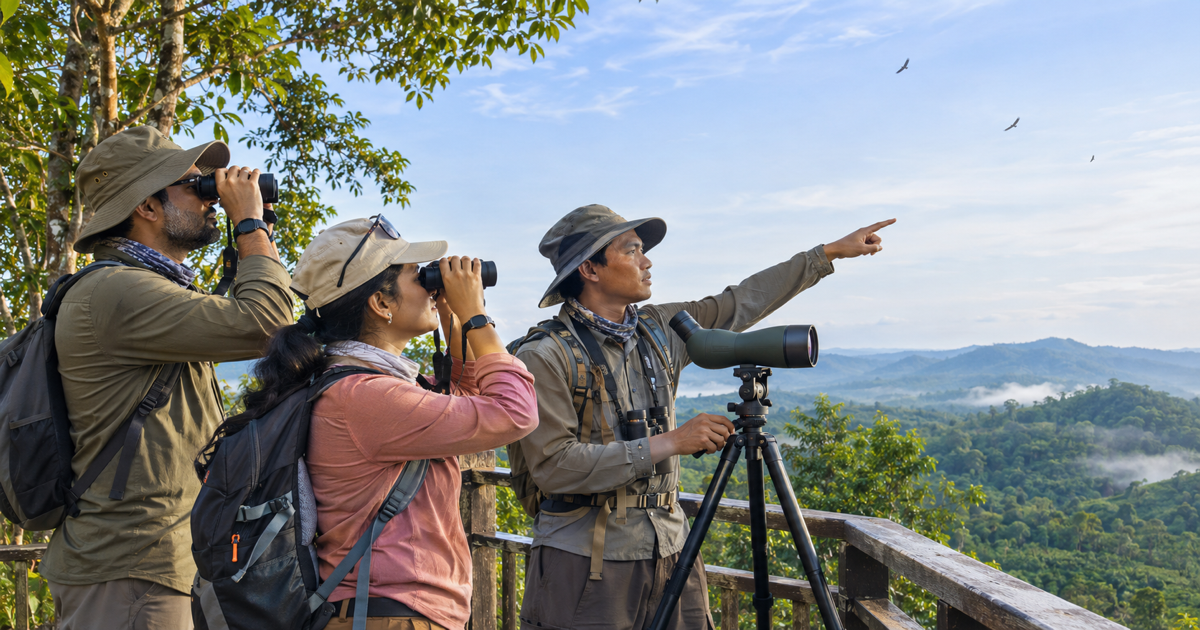
A Thailand birdwatching package can focus on forest trails, wetlands, migration viewpoints, wildlife photography or a gentle nature extension to a wider holiday. Those products require different guides, equipment, schedules and levels of mobility. This guide helps travellers from India compare them responsibly, protect wildlife from disturbance and avoid packages that guarantee sightings or hide important park and access details.
Choose the type of birding trip first
A first-time nature walk is not the same as an intensive birding itinerary with pre-dawn starts and several hours in a hide. Decide how much of the holiday should revolve around birds before comparing destinations or species lists.
Also tell the operator whether the priority is observation, photography, identification learning, migration, family nature time or a mixed holiday. A well-designed package will change the daily pace and group size accordingly.
- Beginner guided nature walk
- Dedicated multi-day birding tour
- Migration-viewpoint visit
- Wetland or boat-based observation
- Forest and national-park birding
- Wildlife photography with ethical boundaries
- Mixed birding and cultural holiday
Match habitat to the travel month
Thailand offers forest, wetland, coast, mountain and migration habitats, but access and bird activity vary with season, weather and local conditions. Do not choose a route from a generic year-round checklist.
Thailand's official 2026 Raptor Watch Festival at Khao Dinsor in Chumphon runs from September 1 to November 30 and is a current example of a date-specific migration experience. The government listing describes the migration spectacle, but no individual visit can guarantee numbers, species, flight direction or viewing conditions.
- Khao Dinsor for the published raptor-migration period
- Thale Noi for wetland-focused planning
- National parks for forest habitats with current access checks
- Northern highlands where the route and season suit
- One or two compatible habitats rather than a rushed nationwide list
Verify the bird guide
A capable bird guide should know local calls and behaviour, current site access, trail safety, ethical viewing distances and how to help different experience levels. Ask for the guide's name, language, regional experience and role before paying.
A driver who knows a park entrance is not automatically a naturalist guide. If transport and guiding are separate, the quotation should identify both people and explain who manages safety and park communication.
- Named guide
- Working language
- Experience in the chosen habitats
- Beginner teaching ability
- First-aid and emergency process
- Knowledge of current park rules
- Maximum group size
- Scope of vehicle and guiding duties
Reject bait, feeding and harmful playback
Thailand's Department of National Parks has specifically warned against using bait to lure birds for photography. Feeding, baiting, approaching nests, handling birds or repeatedly forcing a response with recorded calls can alter behaviour and expose wildlife to stress or danger.
Ask the operator's written policy on playback, hides, nests and photography. Any limited call use should follow current site rules and guide judgement; a traveller should never pressure a guide to produce a closer bird for a photograph.
- No food or live bait
- No nest approach
- No touching or handling
- No flash on sensitive wildlife
- No crowding a rare sighting
- Minimal or prohibited playback according to site rules
- Immediate compliance with ranger instructions
Check park, sanctuary and trail access
National parks and wildlife sanctuaries can have different entry rules, permitted routes, opening periods and requirements for staff or advance permission. A package must name the exact site and current public-access basis rather than promising unrestricted entry to a protected area.
Department of National Parks guidance requires visitors to follow authorised routes and official instructions. Closures, fire conditions, weather, wildlife movement or conservation needs can change access, so build an alternative observation site into the itinerary.
- Exact site and entrance
- Current opening status
- Advance booking or permit
- Required ranger or local guide
- Trail and hide availability
- Entry and camera-related fees where applicable
- Toilet and rest facilities
- Closure and refund plan
Plan optics and airline baggage
Binoculars are more useful than a long camera lens for many first-time birders. Ask whether the guide supplies a spotting scope, how it is shared and whether every participant needs personal binoculars.
If carrying a camera, scope or tripod from India, check cabin and checked-baggage rules with the operating airline. Protect fragile optics, remove loose accessories as required and never assume that a photography package includes equipment insurance.
- Binocular specification and rental availability
- Guide's spotting scope
- Tripod or monopod rules
- Cabin-bag dimensions and weight
- Battery carriage rules
- Rain protection and dry bags
- Serial numbers and insurance
- Secure vehicle storage
Photography needs separate expectations
A birdwatching tour prioritises finding and observing birds; a photography tour may spend longer at fewer sites and needs space for equipment. Confirm which product you are buying and whether photographers and non-photographers will share the same group.
Wildlife, light and distance cannot be controlled. The operator should explain ethical positioning and site restrictions, not promise a frame-filling image. Drones may be prohibited or require permissions and should never be assumed to be part of a nature package.
- Observation or photography priority
- Maximum photographers per vehicle or hide
- Tripod space
- Minimum disturbance policy
- No guaranteed species or image
- No drone without explicit current permission
- Backup landscape or habitat activity
Protect health and comfort on early starts
Birding days can begin before sunrise and involve heat, humidity, insects, rain, uneven paths and long periods of quiet standing. Share mobility, balance, hearing, vision and medical needs before booking so the guide can choose appropriate sites.
Carry prescribed medication, drinking water, sun and rain protection and clothing suitable for the habitat. Seek professional medical advice for personal health decisions, vaccinations or insect-bite prevention; a tour operator should not provide medical clearance.
- Walking distance and surface
- Elevation and steps
- Time without toilets
- Shade and seating
- Insect and leech conditions
- Weather protection
- Meal timing
- Nearest suitable medical help
- Option to shorten the activity
Design for families and non-birders
Not every companion wants a four-hour silent hide session. A mixed package can give the keen birder an early guided outing while others sleep later, visit a market or take a suitable cultural activity, then reunite for lunch.
Children need direct adult supervision and an age-appropriate session with breaks. Never rely on the bird guide to provide childcare while parents move along a trail or focus on photography.
- Separate birder and non-birder price
- Short beginner session
- Hotel-based alternative
- Named supervising adult for children
- Quiet behaviour explained beforehand
- Flexible return transfer
- Shared afternoon activity
A balanced eight-night birding route
An eight-night holiday can combine two Bangkok nights with one carefully chosen birding region and a final departure buffer. Avoid chasing distant habitats every day, because repeated long transfers reduce observation time and rest.
A workable pattern is arrival and recovery, travel to one regional base, three guided mornings across suitable nearby habitats, one rest or cultural day, then an unhurried return. The exact region should follow the season and current access, not a fixed species promise.
- Nights 1–2: Bangkok arrival and easy orientation
- Day 3: transfer to the selected birding base
- Days 4–6: guided sessions with afternoon rest
- Day 7: flexible nature or cultural activity
- Day 8: return near the international departure point
- Day 9: fly without a remote same-day connection
Final quotation checklist
A transparent birdwatching package should identify the guide, habitats, park status, daily start and finish range, group size, transport, walking level, equipment and backup plan. A long species checklist is not a substitute for operations.
The quotation should state that sightings are not guaranteed and that welfare and ranger instructions override photography goals. Confirm how unused activities are handled when weather or official closures change the route.
- Named guide and language
- Date-appropriate habitats
- Current permits and park access
- No baiting or nest disturbance
- Playback policy
- Realistic group size
- Optics and baggage plan
- Mobility and toilet details
- Non-birder arrangements
- Weather and closure alternative
- Cancellation and refund terms
Official sources
These primary sources were checked on November 16, 2026. Reconfirm event operations close to travel.
- Thailand.go.th: official Raptor Watch Festival 2026 listing
- Tourism Authority of Thailand: Thale Noi birdwatching park
- Tourism Authority of Thailand: Sanambin Reservoir birdwatching information
- Department of National Parks: prohibition on baiting birds for photography
- Department of National Parks: official reservation rules and visitor conditions
Build an ethical Thailand birding route
Share your dates, experience level, photography goals, mobility needs and non-birder plans for a Thailand package with suitable habitats and responsible viewing boundaries.